
Stretch ceilings
Our solutions
When installing or renovating a ceiling, there are several options: plasterboard ceilings, often used in new construction or traditional renovations, and suspended tile ceilings, commonly found in offices and utility rooms. In residential settings, plaster is often used to cover concrete or brick.
Stretch ceilings offer a unique and elegant solution that is highly favored by contractors. Versatile, unobtrusive, and lightweight, they allow you to cover an existing ceiling without major construction work, while providing a perfectly smooth, seamless finish. Their quick and dust-free installation appeals to both homeowners and professionals looking for a sleek, modern ceiling that’s ready to use in no time.
Stretch ceilings: an elegant way
to renovate your ceilings
quickly and without dust
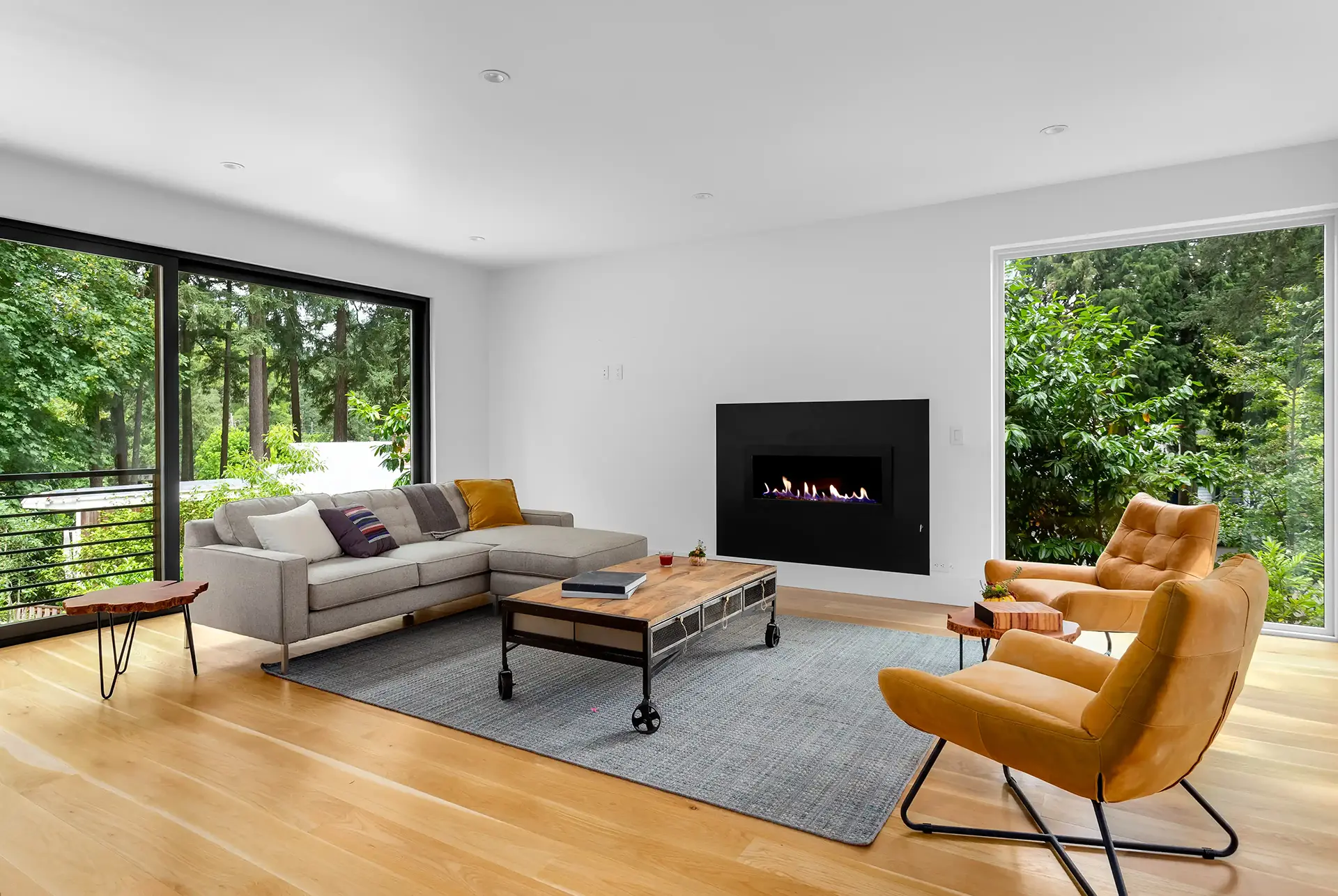
Cold-stretched ceilings. Simple, quick, and effective.
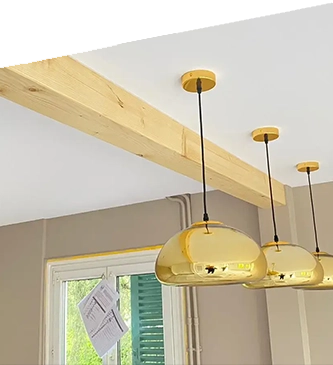
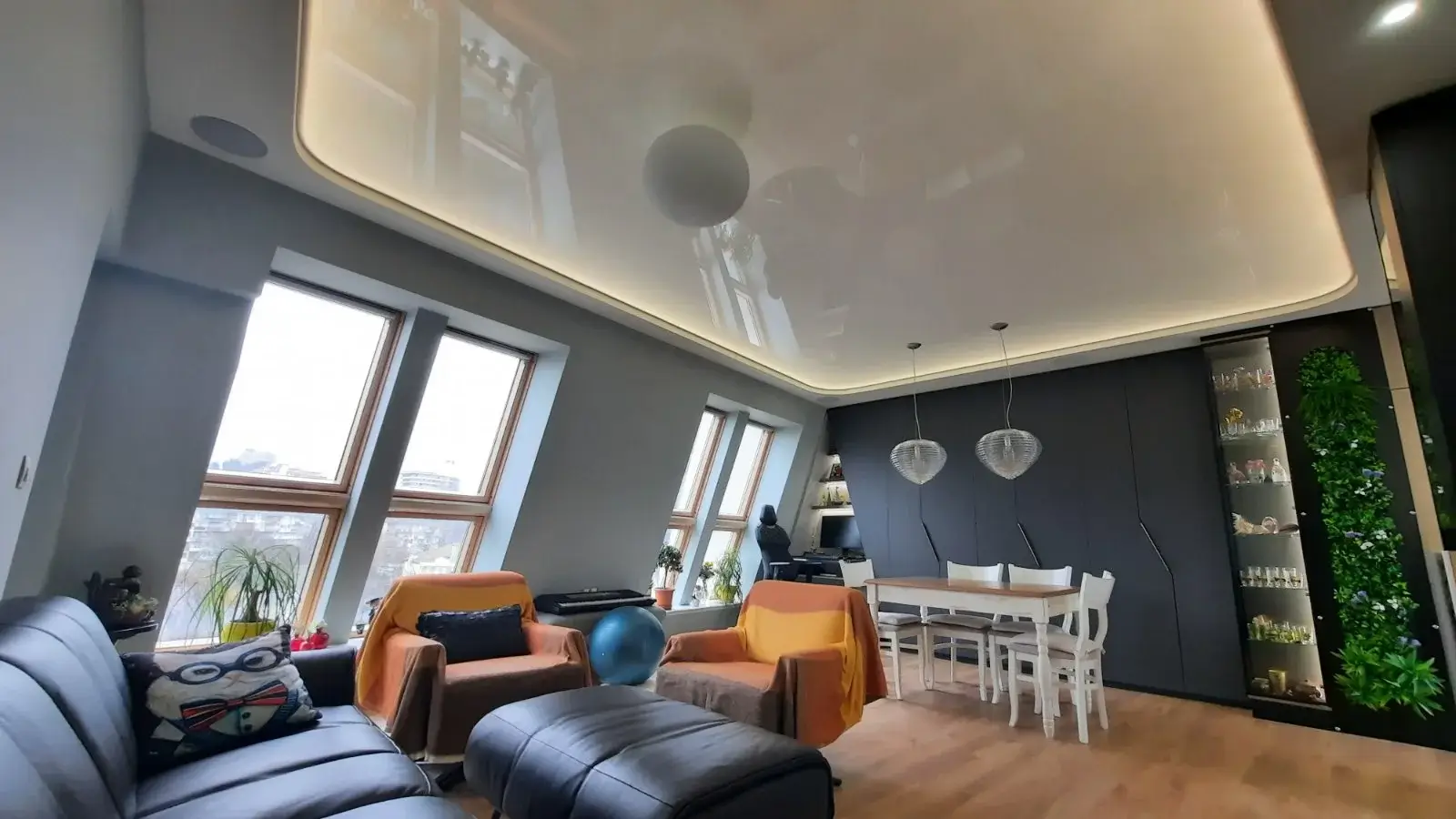
The heat-stretch ceiling. Shimmering and elegant.
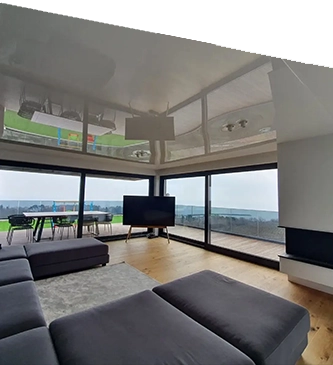
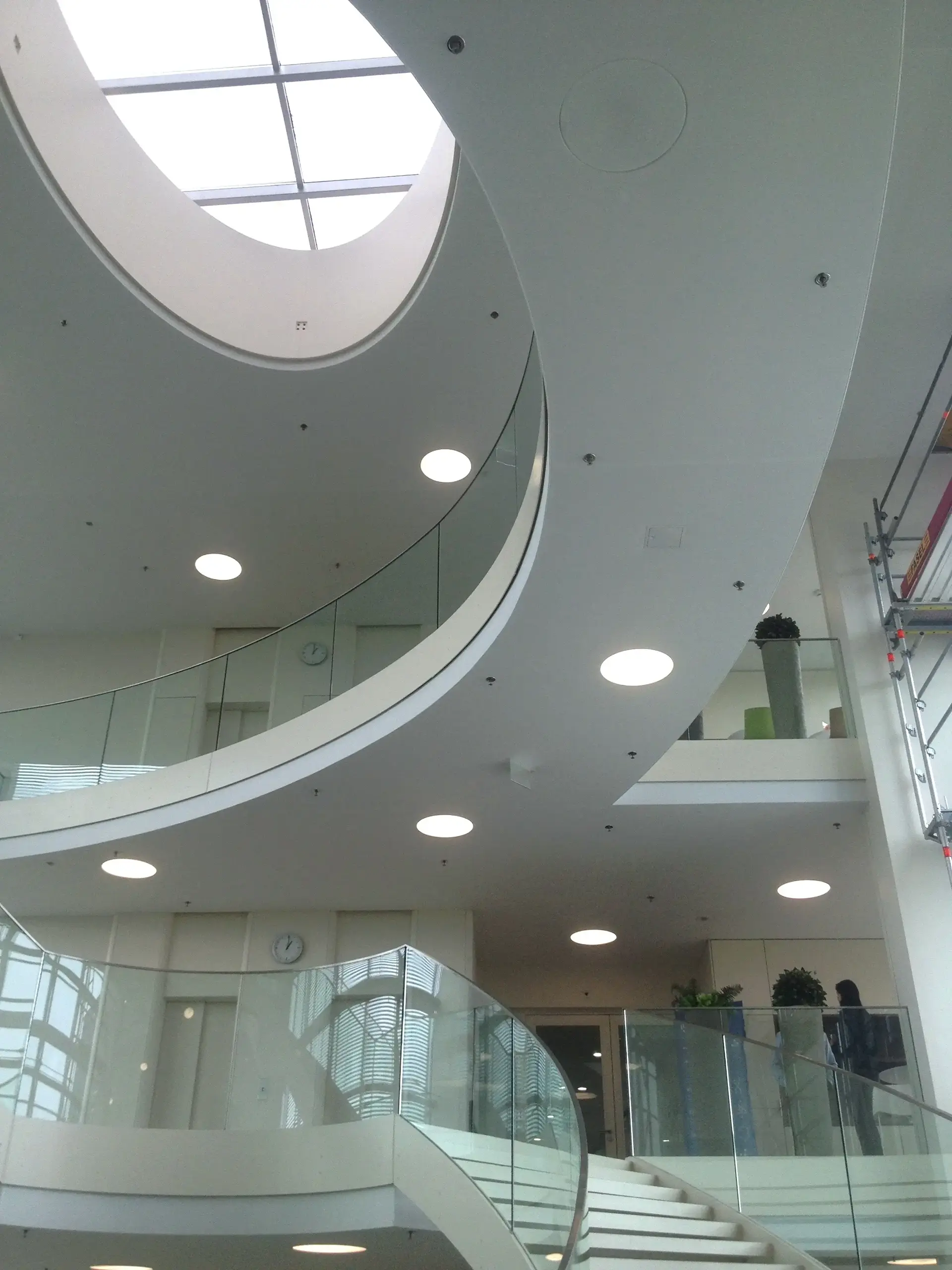
Acoustic stretch ceilings. Aesthetic, high-performance, and comfortable.
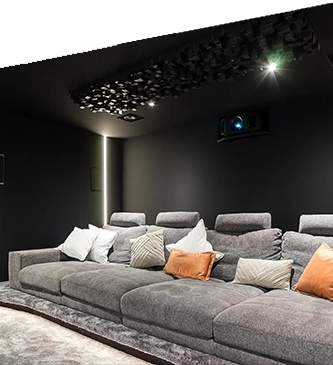
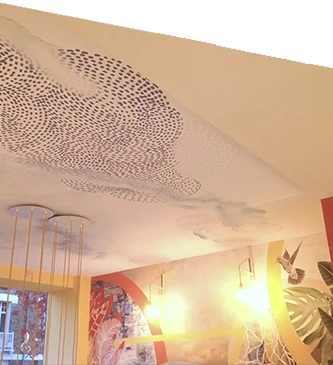
The printed stretch ceiling. Creative, personalized, and unique.
What is a stretch ceiling ?
How is it different from other ceilings ?
A stretch ceiling is a custom-made fabric or PVC membrane secured to perimeter tension profiles that keep it taut, creating a perfectly flat, smooth, and uniform surface with no seams or irregularities. This quick and clean technique eliminates the labor-intensive and messy steps involved in traditional plaster ceilings—such as framing, installing panels, applying plaster, and sanding—while offering great flexibility since the fabric can be removed and replaced.
Highly popular in renovation projects, it effectively covers old, cracked, or damaged ceilings without the need for major construction work, while offering the ability to modernize spaces with a wide range of customizable finishes : matte, satin, or glossy PVC; printed stretch fabric; backlit stretch ceilings; or acoustic stretch ceilings.
In offices or technical rooms, where modularity and access to utilities are essential, tile ceilings remain common, but they have a visible modular appearance that can lack aesthetic appeal. In contrast, stretch ceilings stand out for their uniform and elegant finish, making them ideal for environments where design matters.
Stretch ceilings are therefore suitable for a variety of settings, whether to create a personalized atmosphere in a home, improve acoustic comfort in a commercial space, or provide soft, diffused lighting. The choice of stretch ceiling depends on the conditions of the space. For example, ceiling height, humidity levels, or the presence of specific equipment can influence the material and technique to be used, such as hot- or cold-installed stretch ceilings.

Two techniques, two approaches : hot and cold stretch ceilings
There are two techniques for installing a stretch ceiling, which differ in terms of the material used and the tensioning method : cold installation (which does not require heating the material during installation) and “hot” installation.
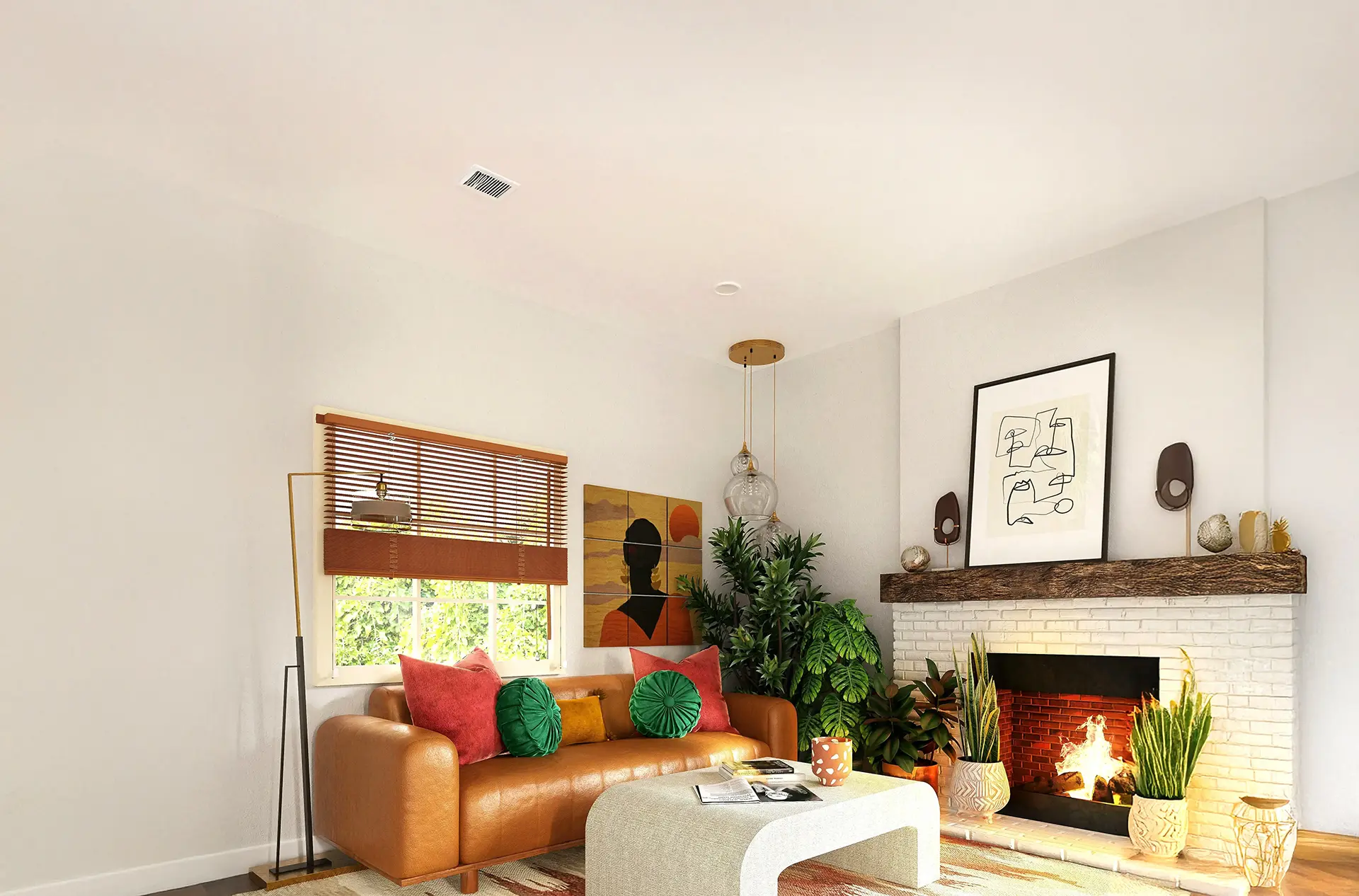
A cold-stretched ceiling is made using a polyester fabric that is stretched without the need to heat the room or the material itself. Installation is done at room temperature. This newer, modern method is suitable for a wide variety of locations, including those occupied during construction, as it produces no odors or heat-related emissions. It also offers excellent long-term stability. This type of stretch ceiling also offers possibilities in terms of printing and acoustic treatments.
Heat-stretched stretch ceilings, on the other hand, use a heat-expandable PVC fabric. The room is heated to a high temperature (approximately 40°C to 50°C) to make the fabric pliable, allowing it to be stretched perfectly over the profiles during installation. This process produces a uniform finish. It is prized for its glossy, mirror-like finish.
Each technique has its own advantages depending on the project, the site constraints, and the aesthetic or functional requirements. But rest assured, there is a stretch ceiling that will meet your project’s needs. Whether for renovating older buildings, improving acoustics in new construction, or for its design and customization options, the stretch ceiling can do it all. It is a solution highly valued by architects and building professionals.
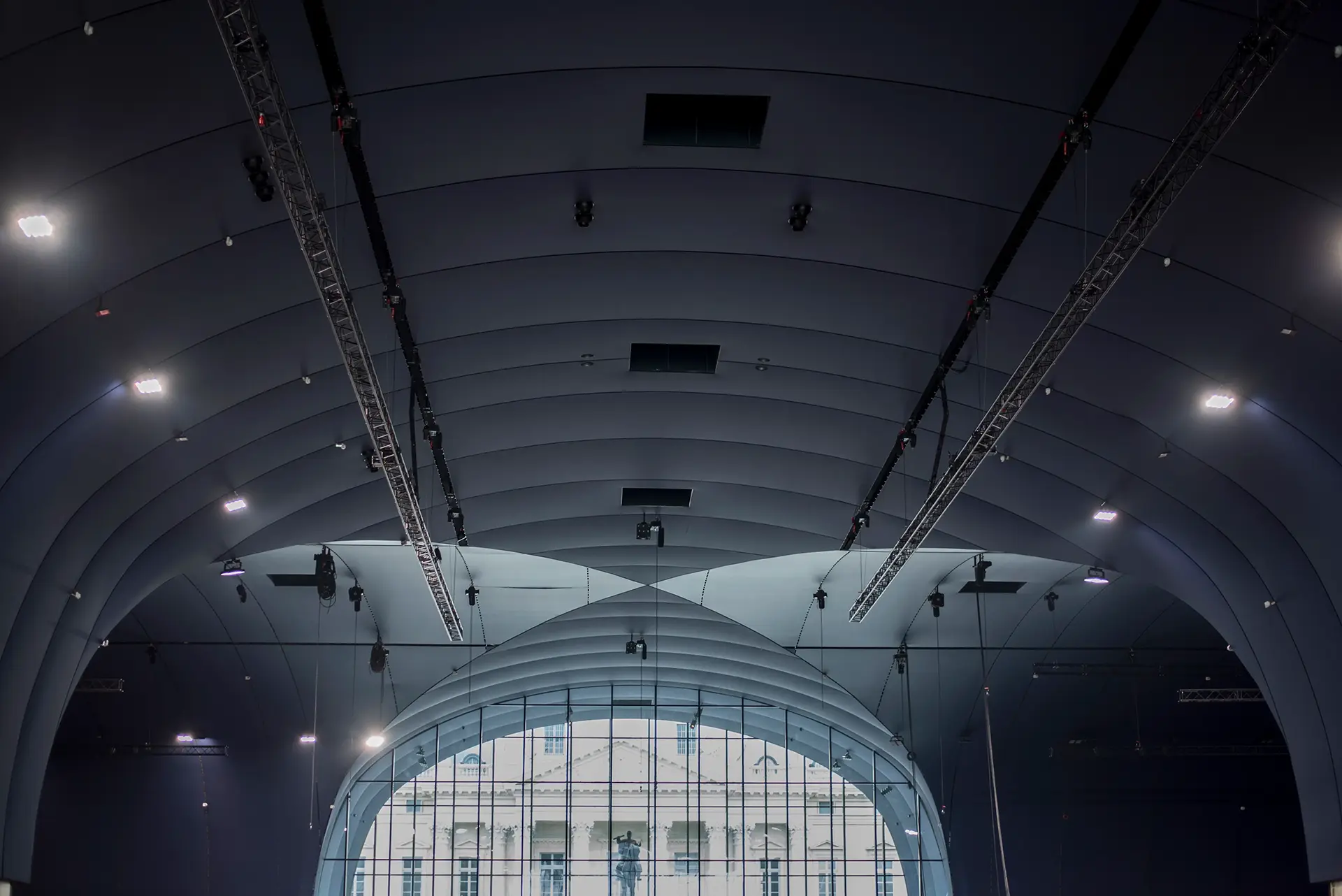
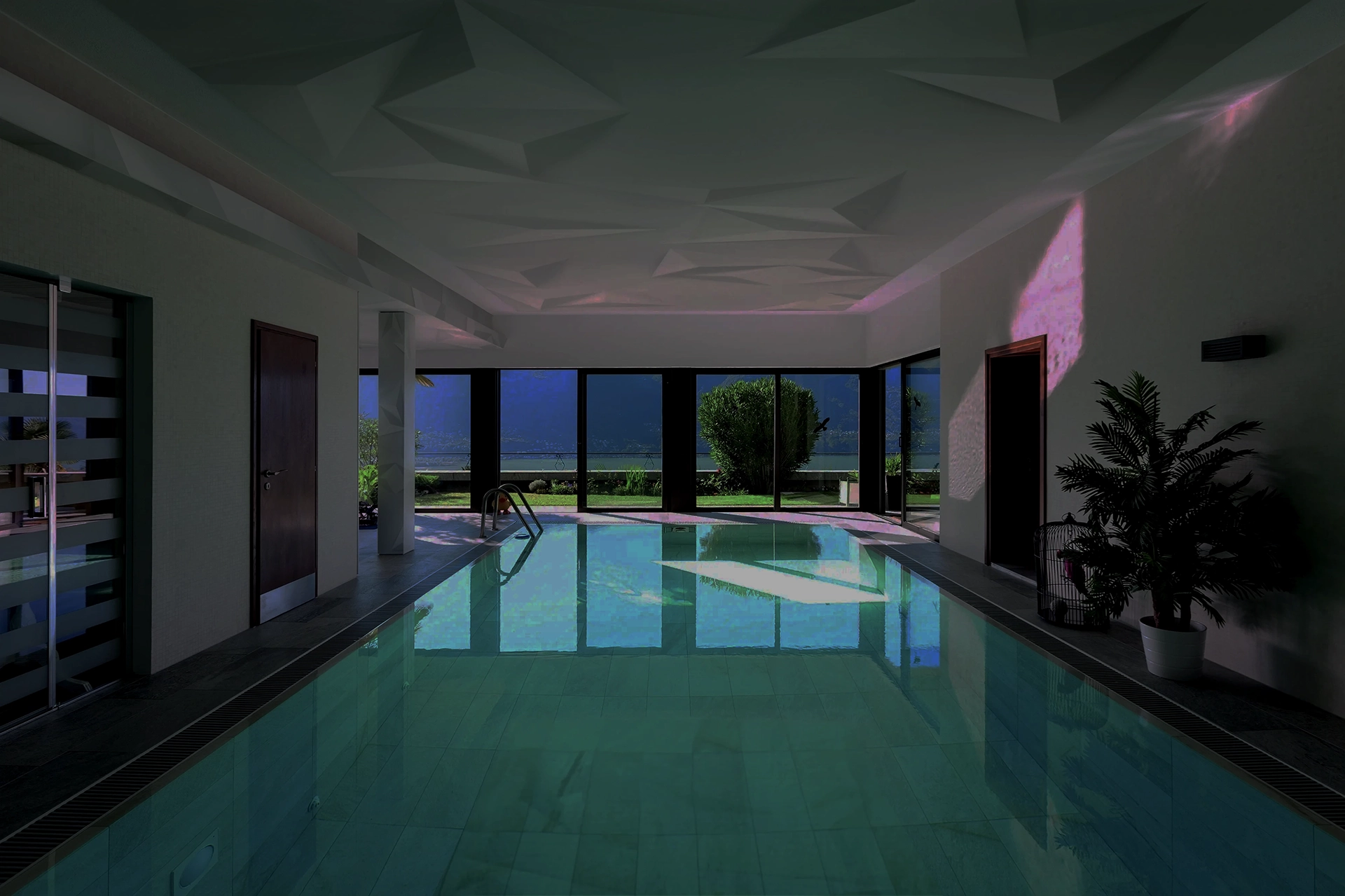
Stretch ceilings offer numerous advantages that make them a popular choice for both renovations and new construction. Their quick and clean installation eliminates the inconveniences associated with traditional construction work : no dust, no moisture, and no drying time.
The result is a perfectly smooth, uniform surface with no seams, thanks to the extra-wide panels (up to 5 meters wide without seams). It can be removed and replaced, making maintenance and renovation easier.
Stretch ceilings have a few specific characteristics: the fabric cannot support heavy loads directly. Special reinforcements (called “sub-structures”) must be installed behind the fabric to support spotlights or pendant lights. Installing a stretch ceiling is a task that any DIY enthusiast can handle with relative ease. Our online store lets you purchase all the materials needed to install stretch ceilings.
Frequently Asked Questions
A stretch ceiling has an unlimited lifespan. It can easily last more than 20 years. Unlike a drywall ceiling, which can crack or yellow over time, the stretch fabric retains its smooth, uniform appearance for many years. The fabric will never crack, whether due to structural movement or humidity. The materials used are resistant to moisture, impact, and light, making it a durable solution for both residential and commercial or public spaces.
Another advantage is that it requires virtually no maintenance. A quick wipe-down with a soft cloth is all it takes to keep it looking pristine. It is therefore a durable solution that is cost-effective in the long run and retains its like-new appearance throughout its entire lifespan.
Yes, it is possible to install a stretch ceiling yourself. We have over 20 years of experience in this field, and SWAL™ has had thousands of stretch ceilings installed by untrained individuals who are not professional contractors. All the necessary materials are available in our online store. All you need is to be careful and have average DIY skills. All tutorials are available online on our website. If you’d like to take a training course, our various training options are open to everyone: whether you’re a beginner or a professional looking to improve your skills, they’re tailored to your level and your projects. Wall installation, ceiling installation, corners, finishing touches... every step is explained and practiced using real materials and personalized guidance. You’ll leave with a solid foundation for efficiently installing our stretch fabrics, and a real boost in confidence for your future projects. And if you’d rather leave the installation to professionals, our experienced teams can also assist with your projects.
- the type of fabric (standard, acoustic, printed, backlit, etc.)
- the surface area to be covered
- the complexity of the installation (corners, obstacles, ceiling height)
- and whether or not the installation is carried out by a professional.
- From $70/m² supplied and installed for a standard stretch ceiling
- Up to $120/m² (or more) for technical or decorative versions (custom printing, acoustics, integrated lighting, etc.)